Most people picture a still, rising vapor, and liquid dripping slowly into a collection vessel. That image is not wrong, although real alcohol refining starts much earlier than that. By the time heat reaches the system, the liquid has already passed through fermentation behavior, sugar conversion, temperature settling, and chemical shifts that quietly shape the final outcome.
That is one reason the distillation of alcohol now feels far more measured inside modern refining spaces. Earlier operations relied heavily on instinct and manual correction. Present-day facilities work differently. Teams now pay close attention to vapor stability, thermal rhythm, and recovery balance because even a slight fluctuation can throw off the spirit’s texture, purity, or finish long before the issue becomes visible.
What Is Distillation of Alcohol?
At its simplest, distillation separates ethanol from a fermented liquid blend using heat and condensation. Alcohol reacts sooner to temperature exposure than water does, so ethanol-rich vapor rises first while heavier material stays lower inside the setup.
Simple principle. Sensitive execution.
A fermented wash still carries several leftover elements:
- water
- residual sugars
- acidic traces
- aroma compounds
- yeast residue
- organic particles
Some contribute depth. Others interfere with smoothness.
And this is where people often misunderstand the craft. Distillation is not only about producing “stronger alcohol.” Most experienced distillers care more about shaping cleaner separation without flattening the liquid completely.
Inside active production lines, teams quietly watch:
- vapor behavior
- condenser response
- internal pressure
- reflux movement
- temperature drift
Because once a run starts becoming unstable, the problem rarely stays isolated for long.
Why Distillation Still Matters in Alcohol Refining
Fermentation naturally creates alcohol, although only to a limited point. After that stage, yeast slows down and leaves behind liquid that still feels unfinished.
That unfinished profile needs refinement.
For this reason, the Alcohol Production Process relies heavily on controlled separation to improve:
- flavor definition
- liquid clarity
- aromatic balance
- recovery steadiness
- overall finish
Still, not every facility chases the same outcome.
A whiskey house may intentionally preserve deeper grain notes and heavier texture. Meanwhile, large ethanol facilities usually focus on cleaner extraction and dependable output across long production cycles.
The chemistry overlaps. The intention changes completely.
And honestly, that difference explains why seasoned distillers rarely describe their work as “just boiling alcohol.”
How Does Distillation of Alcohol Work?
The cycle begins once fermented liquid moves into a still or vapor column. As the chamber warms gradually, alcohol-heavy vapor starts lifting earlier than water because ethanol responds faster to thermal exposure.
Afterward, the vapor travels upward before cooler surfaces pull it back into liquid form.
On paper, the sequence looks straightforward. Inside working systems, though, conditions shift constantly.
A slight cooling imbalance can affect:
- purity levels
- spirit strength
- flavor sharpness
- recovery stability
- final consistency
That is why experienced operators rarely rush a run.
Instead, they keep adjusting:
- heat rhythm
- vapor circulation
- cooling flow
- pressure balance
- reflux movement
Long production cycles especially demand patience because instability in one section usually drifts into the next stage surprisingly fast.
The Alcohol Separation Cycle
Fermentation Builds the Starting Liquid
Everything begins with fermentable material.
Most facilities work with:
- grains
- molasses
- fruit mash
- starch-rich blends
- sugar-based feedstock
Over time, yeast converts sugar into alcohol naturally. Even after fermentation settles, however, the liquid still carries unwanted compounds alongside ethanol.
That mixture then moves toward refinement.
Heat Starts Lifting the Vapor
Inside the still, measured heating begins separating lighter elements from heavier residue.
And this stage changes everything.
Excessive heat often creates:
- scorched flavor notes
- uneven vapor rise
- unstable separation
- unwanted carryover
Oddly enough, slower recovery usually produces cleaner and steadier output.
Experienced distillers understand this well. They would rather maintain balance across the run than force speed too early.
Cooling and Fraction Collection
As vapor climbs through the setup, cooling surfaces condense it back into liquid.
During collection, operators separate:
- desirable cuts
- unstable fractions
- heavier compounds
That separation eventually shapes:
- mouthfeel
- aroma clarity
- alcohol concentration
- final texture
Some facilities repeat the cycle multiple times depending on the grade or application required.
Types of Distillation Methods
Different refining goals call for different operating styles. Because of that, several Types of Distillation Methods still remain widely used across spirit production and industrial alcohol handling.
Pot Distillation
Pot stills operate through a slower batch-style cycle.
You will commonly find them in:
- whiskey production
- rum distilleries
- craft spirit houses
- premium small-batch refining
The setup preserves more character because additional flavor compounds stay inside the final liquid.
And honestly, that fuller profile explains why many heritage distilleries still prefer pot systems despite their slower pace.
Column Distillation
Column systems support continuous large-volume alcohol recovery.
Compared to pot setups, they offer:
- steadier throughput
- stronger concentration
- cleaner recovery
- more uniform output
Because of this, large ethanol plants and vodka facilities depend heavily on these towers during extended production runs.
Vacuum Distillation
Vacuum-assisted setups reduce internal pressure so evaporation happens at lower temperatures.
That softer thermal exposure helps protect delicate compounds from early degradation.
Facilities handling:
- specialty extracts
- pharmaceutical liquids
- sensitive formulations
often rely on this approach for gentler refinement conditions.
Is Alcohol Distillation Legal in the US?
Alcohol distillation laws across the United States depend heavily on licensing, intended use, and local regulation.
Commercial beverage production requires formal approval before operations begin.
At the same time, many people still assume home distillation becomes legal if the alcohol stays for personal use. Federal restrictions, however, still apply in many situations involving beverage alcohol recovery.
Industrial ethanol facilities follow different compliance structures, although safety oversight remains strict because alcohol vapor introduces:
- combustion risks
- pressure buildup
- chemical exposure hazards
Because of this, licensed operations maintain tighter control over ventilation, storage, and vapor handling systems.
Equipment Used in Alcohol Distillation
Older refining spaces depended heavily on manual observation. Modern operations lean more toward calibrated monitoring and steadier mechanical control.
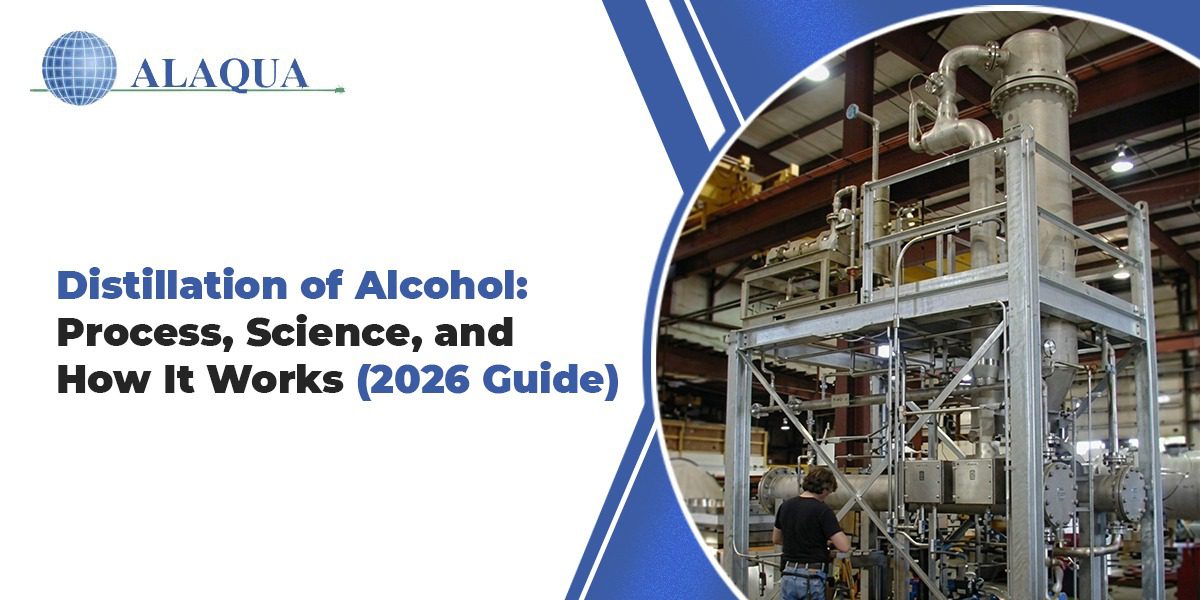
Most professional-grade Industrial distillation equipment includes:
- stainless steel columns
- condensers
- reflux assemblies
- pressure gauges
- thermal sensors
- cooling systems
- automated tracking units
And every component affects the outcome more than people expect.
A weak seal or unstable cooling line may quietly disturb recovery long before visible problems appear. In many cases, operators notice the shift through vapor behavior first rather than through obvious mechanical failure.
Common Misunderstandings Around Distillation
“Heat Alone Creates Pure Alcohol”
Not exactly.
Heat starts separation, although cleaner recovery depends more on:
- vapor guidance
- reflux stability
- cooling balance
- timing control
- fraction handling
Without proper adjustment, unwanted compounds still move through the system.
“Faster Runs Mean Better Efficiency”
That assumption usually creates more instability instead.
Aggressive heating often increases:
- vapor inconsistency
- contamination risk
- flavor distortion
- pressure fluctuation
Which is why experienced distillers usually favor steadier recovery over rushed throughput.
“Every Distillation Setup Works the Same Way”
Not even close.
A whiskey producer protects flavor texture. Ethanol facilities prioritize large-scale recovery. Pharmaceutical refiners focus heavily on chemical precision.
Science connects. Operational priorities do not.
Frequently Asked Questions
What is the process of distilling alcohol?
Alcohol distillation separates ethanol from fermented liquid through controlled heating, vapor rise, condensation, and fraction collection.
How does alcohol distillation work step by step?
The cycle generally includes:
- fermentation
- gradual heating
- vapor separation
- condensation
- liquid recovery and refinement
When was distillation of alcohol invented?
Early forms of alcohol distillation appeared centuries ago across several civilizations before refining methods evolved through chemistry and industrial manufacturing.
Can alcohol be distilled at home legally?
Federal law in the United States still restricts unlicensed beverage alcohol distillation in many situations, even when intended for personal use.
Conclusion
Alcohol refining today depends on far more than heating liquid inside a still. Vapor stability, measured thermal control, fraction handling, and recovery balance collectively decide whether the final spirit feels clean, dependable, and commercially usable. That shift explains why modern facilities no longer treat distillation like a loosely managed manual practice. Instead they operate with tighter observation, steadier recovery methods,and far more disciplined process control from start to finish. At the same time, expectations around purity, repeatable output, and operational safety keep rising across beverage and industrial sectors too. So, many facilities now invest more carefully in skilled supervision, calibrated monitoring systems and advanced Industrial distillation equipment that can support stable long term production rather than just short-term volume alone.